
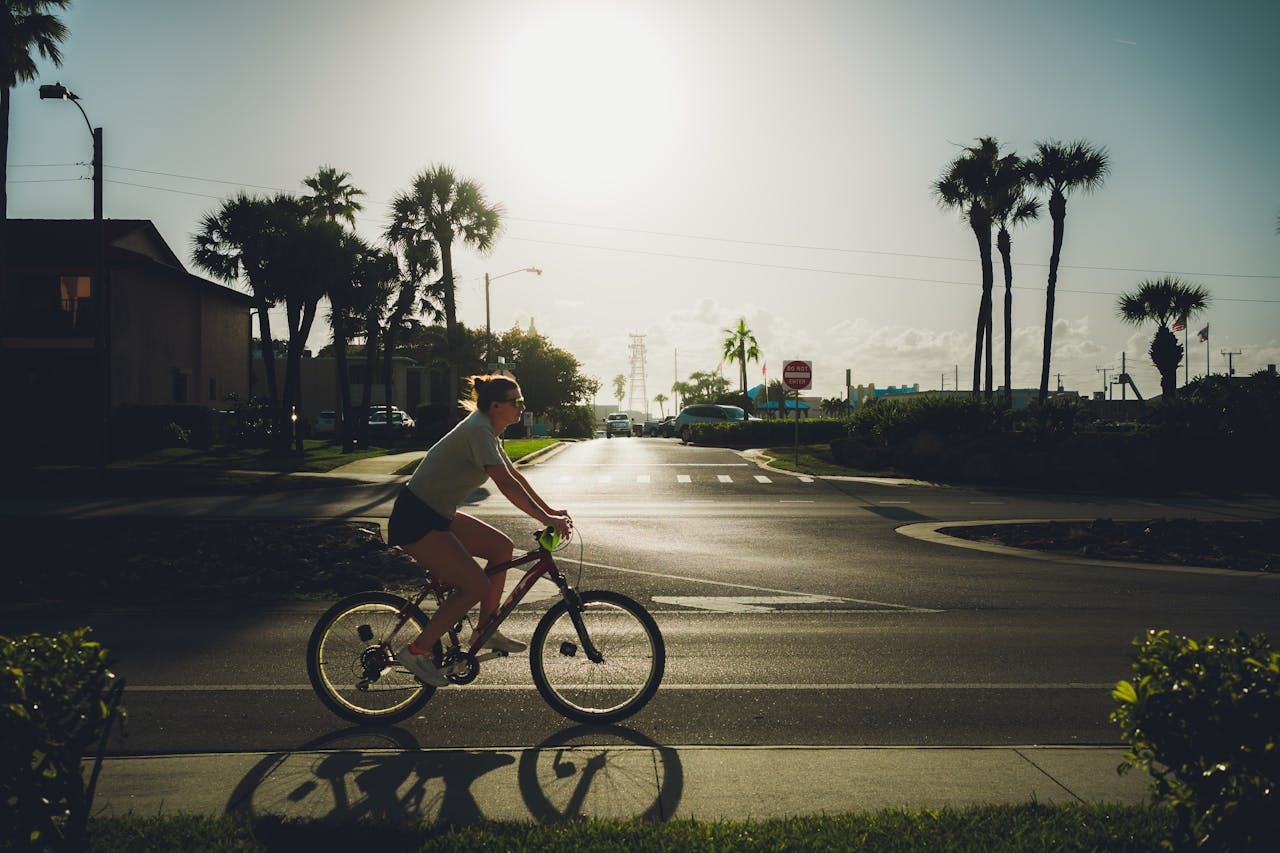
An e-bike crash can turn an ordinary day in Palm Harbor into a painful and confusing experience. You may have been riding near U.S. 19, Tampa Road, Nebraska Avenue, a neighborhood street, or the Pinellas Trail. Or you may have been a pedestrian, cyclist, or driver injured in a crash involving an e-bike.
Either way, the aftermath can leave you wondering who is responsible, what insurance may apply, and how to protect your claim if the insurance company tries to blame you.
These questions matter because an e-bike accident claim often depends on the details: how the crash happened, where it occurred, what medical treatment you received, and how your injuries are documented. Even injuries that seem manageable at first can become more serious once the adrenaline wears off, making early medical care and careful documentation important.
The Nurse Lawyer, P.A., led by Maryann Furman, Esq., RN, brings a medical-legal perspective to Florida personal injury cases. If you were hurt in an e-bike accident in Palm Harbor, Pinellas County, or elsewhere in Florida, speaking with a Palm Harbor injury lawyer can help you understand your rights and take informed steps to protect your claim.
Still Hurting After an E-Bike Crash? Do Not Ignore Your Symptoms
E-bikes are convenient, affordable, and increasingly common in Florida, but riders and pedestrians have little protection when a crash occurs. A rider can be thrown onto pavement, hit by a vehicle, dragged across the road, or injured while trying to avoid a collision. Pedestrians and cyclists can also suffer serious injuries if they are struck by an e-bike or forced to fall.
Some injuries are obvious immediately. Others appear or worsen over the next several hours or days, especially after swelling increases and adrenaline fades.
Common injuries after an e-bike crash include:
- Head injuries or concussions
- Neck and back injuries
- Shoulder, wrist, arm, hip, knee, and ankle injuries
- Broken bones
- Road rash and deep abrasions
- Facial injuries or dental trauma
- Nerve pain, numbness, or tingling
- Aggravation of prior injuries or medical conditions
You should not assume you are fine simply because you were able to stand up or leave the scene. Pain can intensify. Headaches, dizziness, stiffness, numbness, or weakness can become more noticeable later. Getting medical care protects your health first, but it also creates a record of your symptoms, diagnosis, treatment plan, and recovery timeline.
That documentation can become important if an insurance company later argues that your injuries are minor, unrelated, pre-existing, or caused by something other than the crash.
What Should You Do Right After an E-Bike Accident in Palm Harbor?
Your health comes first. Call 911 if you hit your head, lost consciousness, feel confused, have serious pain, experience numbness or weakness, or cannot safely move.
If the crash happens in Palm Harbor or elsewhere in Pinellas County, local law enforcement may respond depending on the location. A crash report can become important if fault is disputed later.
If you are physically able, take these steps after the crash:
1. Report the crash.
When an e-bike crash involves a motor vehicle and results in death, injury, complaints of pain or discomfort, a vehicle being disabled enough to require a wrecker, or certain other circumstances, Florida law may require a formal traffic crash report after law enforcement investigates the crash.
2. Get medical care promptly.
Emergency care may be necessary for serious symptoms. If your injuries are not life-threatening, you may still need urgent care, a primary care visit, imaging, specialist evaluation, or follow-up treatment.
3. Photograph the scene.
Take pictures of the e-bike, vehicle damage, roadway, traffic signs, signals, bike lanes, crosswalks, skid marks, debris, lighting conditions, and visible injuries.
4. Get witness information.
Witnesses may help if the driver later claims you were riding unsafely or appeared “out of nowhere.”
5. Be honest about every symptom.
Do not exaggerate, but do not minimize pain either. Small symptoms can become more serious later.
6. Avoid recorded statements before getting legal guidance.
Insurance adjusters may sound helpful, but recorded statements can create problems when fault is disputed or your symptoms are still developing.
These steps do not guarantee a result, but they can help preserve key medical and legal evidence.
How Do Florida E-Bike Accident Claims Work?
Florida e-bike accident claims usually depend on four main questions: who caused the crash, what insurance applies, how badly you were hurt, and how well your injuries are documented.
As of 2026, under Florida law, qualifying electric bicycles are generally treated much like bicycles, subject to specific statutory and local exceptions. In many situations, an e-bike rider has the same rights and duties as a bicycle rider. However, the details can change depending on whether the device meets Florida’s definition of an electric bicycle, where it was being used, local ordinances, posted signs, trail or sidewalk restrictions, speed, and the circumstances of the crash.
That means the claim may involve questions such as where the rider was traveling, whether the e-bike was in a roadway, bike lane, shoulder, sidewalk, crosswalk, trail, or parking lot, and whether lights, reflectors, traffic signals, road design, witnesses, or camera footage played a role.
A driver may be responsible for an e-bike accident if careless driving caused or contributed to the collision. This may include failing to yield, making an unsafe turn, opening a vehicle door into a rider’s path, driving while distracted, passing too closely, running a red light or stop sign, failing to check for cyclists before entering a driveway or parking lot, speeding, aggressive driving, or impaired driving.
In other cases, an e-bike rider may be blamed if careless riding contributed to someone else’s injuries. That could involve ignoring traffic controls, riding too fast for the area, failing to yield, striking a pedestrian, or riding where e-bikes are restricted.
The key question is not simply whether an e-bike was involved. The issue is whose negligence caused the crash and what injuries resulted.
Florida’s modified comparative fault system can also affect the claim. If you are found partly responsible, your compensation may be reduced by your percentage of fault. In many negligence cases covered by Florida’s modified comparative fault rule, if someone is found more than 50% responsible for causing their own injuries, Florida law may prevent that person from recovering damages.
That is why evidence matters. Photos, witness statements, crash reports, roadway conditions, medical records, bike damage, and insurance information should all be reviewed before accepting the insurance company’s version of what happened.
Why Medical Records Matter After an E-Bike Injury
Medical care is about healing first. But in an injury claim, your medical records also help show what the crash did to your body and how your injuries affected your daily life.
Insurance companies review treatment dates, diagnoses, imaging results, referrals, prescriptions, physical therapy notes, work restrictions, and follow-up instructions. They may look for gaps in care, incomplete notes, or anything they can use to argue that your injuries are unrelated or not serious.
Clear documentation may help connect the crash to symptoms such as:
- Neck pain that later leads to radiating arm symptoms
- Head impact followed by headaches, dizziness, nausea, memory problems, or light sensitivity
- Back pain that worsens after several days
- A shoulder injury that appears minor until imaging reveals a tear
- A prior condition that was stable before the crash but became painful afterward
Tell your medical providers exactly what happened and describe all symptoms clearly. If pain affects your sleep, work, driving, walking, lifting, balance, or ability to care for your family, that information matters.
This is one reason The Nurse Lawyer, P.A.’s medical-legal perspective may be helpful in e-bike accident cases involving disputed symptoms, delayed pain, prior conditions, or complex medical records.
Who Pays Medical Bills After an E-Bike Accident in Florida?
Insurance coverage after an e-bike crash can be confusing because it depends on the facts of the crash, the type of e-bike, whether a motor vehicle was involved, and the available insurance policies.
Depending on the circumstances, potential coverage may include:
- The at-fault driver’s bodily injury liability coverage
- Personal injury protection benefits, if available under an applicable auto policy
- Uninsured or underinsured motorist coverage
- Health insurance
- Medical payments coverage, if available
- Other applicable policies tied to the crash location or parties involved
Florida’s no-fault/PIP system can also create confusion. PIP may be available in some e-bike crash cases involving a motor vehicle, but it should not be assumed automatically. Whether PIP applies may depend on who was injured, whether a covered motor vehicle was involved, the available auto policies, the type of device involved, and whether the injured person qualifies for benefits under Florida law.
Because Florida PIP rules include time-sensitive medical-care requirements, including the need for qualifying initial medical care within 14 days after a motor vehicle accident to preserve potential PIP medical benefits, it is important to get medical and legal guidance early.
What If the Insurance Company Blames You?
After an e-bike accident, the insurance company may argue that you were riding too fast, outside a bike lane, not paying attention, not using lights, crossing unsafely, or failing to avoid the crash. If you were not wearing a helmet, the insurer may also try to use that against you, especially in a claim involving a head, face, or brain injury.
Those arguments do not automatically defeat your claim.
Adults are not generally required to wear bicycle helmets under Florida’s bicycle helmet statute, though riders and passengers under 16 must wear helmets that meet federal safety standards. Even when helmet use becomes part of the discussion, it does not answer the entire case.
The real questions are whether someone else’s negligence caused the crash, whether a helmet would have changed the specific injury involved, and how the crash affected your body.
Do not assume the insurance company is right just because it blames you. Fault should be evaluated through the crash report, witness statements, photos, roadway evidence, medical records, and the specific facts of the collision.
What If the Driver Left the Scene or You Are Running Out of Time?
Hit-and-run and uninsured-driver situations can be especially stressful, especially when an e-bike rider, pedestrian, or cyclist is struck by a motor vehicle. If the driver leaves the scene, report the crash immediately. Law enforcement may be able to investigate witness statements, nearby camera footage, vehicle debris, location information, and other evidence that could help identify the driver.
If the driver is never found or does not have enough insurance, your own uninsured/underinsured motorist coverage may become important, depending on the policy language and facts of the crash.
Florida also has strict time limits for injury lawsuits. In many negligence-based personal injury cases, the deadline to file a lawsuit is two years from the date of injury under Florida Statutes Section 95.11. Different rules may apply depending on the type of claim, whether the case involves a wrongful death, whether a government entity may be responsible, or whether another exception affects the deadline.
You should not wait until the deadline is close. Video footage can be erased, witnesses can become harder to find, road conditions can change, and damaged e-bike evidence may be repaired, discarded, or lost.
When Should You Call a Palm Harbor Injury Lawyer After an E-Bike Accident?
You should speak with a Palm Harbor injury lawyer promptly after an e-bike accident if the crash left you injured, uncertain about insurance, or worried that the driver or insurance company is blaming you.
A case review may be especially important if:
- You were hit by a car, truck, SUV, rideshare vehicle, or commercial vehicle
- You went to the ER, urgent care, or a specialist
- You have head, neck, back, shoulder, knee, wrist, hip, or worsening pain
- You missed work
- The driver or insurer blames you
- You are unsure what insurance applies
- You have a prior injury that the crash aggravated
- A loved one suffered catastrophic or fatal injuries
You do not have to know whether you have a strong case before you call. That is what a case review is for.
Get Clear Guidance After an E-Bike Accident in Palm Harbor
An e-bike accident can leave you making important decisions while you are still in pain, still getting medical answers, and still unsure what the insurance company will do next. You should not have to guess about what matters or how to respond when fault, coverage, or the seriousness of your injuries is questioned.
At The Nurse Lawyer, P.A., injured people receive guidance from a law firm that understands how quickly an accident can affect your health, work, family, and stability. Led by Maryann Furman, Esq., RN, the firm draws on legal experience and medical insight when reviewing injury claims involving complex symptoms, disputed fault, and insurance issues.
If you were hurt in an e-bike accident in Palm Harbor, Pinellas County, or elsewhere in Florida, contact The Nurse Lawyer, P.A. for a free consultation. You can ask questions, better understand your options, and take informed next steps while you focus on your recovery.
Disclaimer: The articles on this blog are for informative purposes only and are no substitute for legal advice or an attorney-client relationship. If you are seeking legal advice, please contact our law firm directly.